
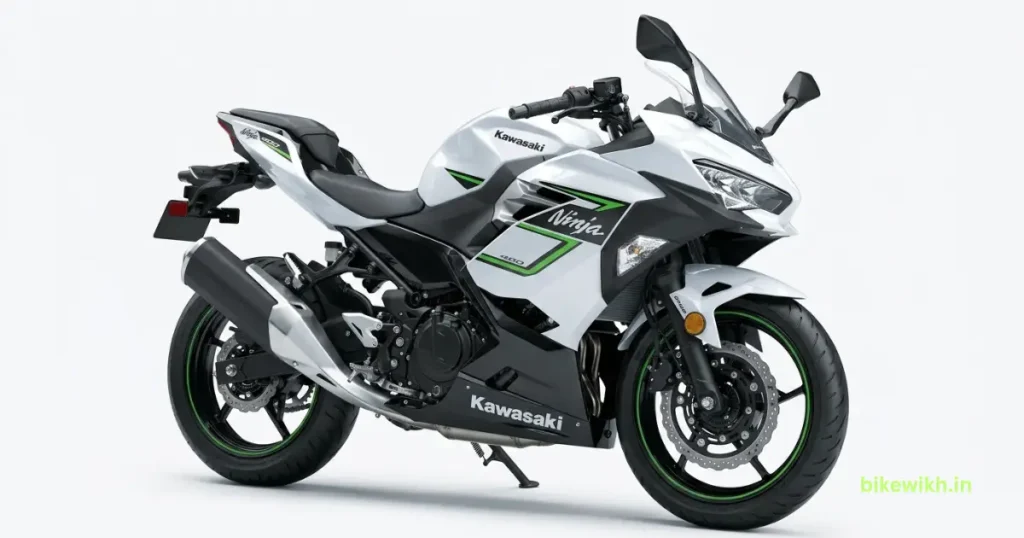
Kawasaki Ninja 400 Real-World Review: For years, the sub-500cc entry-level sportbike segment in the United States was treated as an afterthought by major motorcycle manufacturers. Beginners were often forced to choose between underpowered 250cc commuter platforms or heavy, intimidating 600cc inline-four race replicas. However, that entire landscape shifted dramatically when Team Green introduced the Kawasaki Ninja 400. Striking an absolute masterstroke balance between aggressive supersport aesthetics and approachable everyday usability, it quickly became the definitive gold standard for new riders across America.
Even with Kawasaki transitioning its global lineup toward the newer, larger-displacement Ninja 500 platform, the Ninja 400 remains an incredibly dominant force on American roads and a highly sought-after gem on the used market. In this comprehensive review, we break down the real-world fuel economy (MPG), beginner-friendly handling dynamics, long-distance highway comfort, and hidden drawbacks to determine if the Ninja 400 is still the best first motorcycle your money can buy.
Kawasaki Ninja 400 Real-World Review: Technical Specifications Snapshot
Understanding the raw numbers helps explain why this chassis behaves so predictably for novice riders.
- Engine Displacement: 399cc Liquid-Cooled, Parallel-Twin, DOHC
- Peak Power Output: 44.8 Horsepower @ 10,000 RPM
- Peak Torque: 28 lb-ft (37 Nm) @ 8,000 RPM
- Wet Curb Weight: 366 lbs (166 kg) with full fluids
- Seat Height: 30.9 Inches (785 mm)
- Fuel Tank Capacity: 3.7 US Gallons (14 Liters)
Engine Performance: The Parallel-Twin Sweet Spot
The true magic of the Ninja 400 lies tucked directly inside its lightweight trellis frame. Powered by a highly refined 399cc parallel-twin motor, the power delivery is exceptionally linear and predictable, which prevents sudden throttle jolts that can scare a beginner.
Low-to-Mid Range Forgiving Behavior
Unlike peaky 600cc track bikes that require you to rev the engine past 10,000 RPM just to pull away from a stoplight, the Ninja 400 produces plenty of low-end grunt. This means stalling the bike is incredibly difficult, making city commuting and stop-and-go urban gridlock completely stress-free.
The Assist and Slipper Clutch reduces clutch lever pull effort by roughly 20%, ensuring your left hand doesn’t cramp during long riding courses or slow maneuvers.
Highway Capable Top End
Once you merge onto fast American interstate highways, the Ninja 400 doesn’t run out of breath. It pulls cleanly all the way up to its 12,500 RPM redline, comfortably maintaining highway cruising speeds of 70 to 80 mph with plenty of reserve power left over for overtaking heavy trucks.
Real-World Fuel Economy & Commuter MPG Metrics
With rising gas prices across the US, fuel efficiency is a major deciding factor for daily commuters. The Ninja 400 excels as a highly economical choice in the sport class.
- Aggressive Canyon / Track Riding: If you push the bike hard through twisty canyon routes or track days, expect roughly 45 to 48 MPG.
- Steady Highway Commuting: Cruising at an optimized 55–65 mph pace yields an outstanding real-world average of 54 to 58 MPG.
- Single-Tank Range: With its 3.7-gallon fuel tank capacity, you can safely expect a total highway range of 170 to 200 miles before the low-fuel indicator light flashes on your dashboard.
Ergonomics: Sporty Looks, Comfortable Ergos
From a distance, the Ninja 400 easily masquerades as a premium ZX-6R or a larger Ninja 650 supersport due to its sharp lines, angular LED dual-headlights, and aggressive aerodynamic fairings. However, the ergonomics tell a completely different story.
Instead of low-slung, wrist-punishing clip-on handlebars, Kawasaki raised the bars slightly above the top triple clamp. This creates a comfortable, relatively upright riding position. Your body leans forward just enough to slice through wind blast at high speeds, but without putting immense pressure on your wrists, lower back, or neck.
Furthermore, the exceptionally low 30.9-inch seat height paired with a very slim chassis profile makes it incredibly easy for shorter riders (5’2″ and up) to securely flat-foot both boots on the pavement at stop signs.
Kawasaki Ninja 400 Real-World Review: Beginner Scorecard
| Evaluation Metric | Real-World Performance Behavior | Score (Out of 5) |
|---|---|---|
| Throttle Management | Linear power band, highly forgiving clutch mechanicals | (5/5) |
| Weight & Maneuverability | Extremely light, nimble, and flickable in tight corners | (5/5) |
| Highway Cruise Comfort | Aerodynamic wind protection, relaxed wrist angle | (4/5) |
| Brake Feedback | Adequate stopping bite, predictable standard ABS triggers | (4/5) |
| Stock Tire Grip | Factory Dunlop tires feel loose under extreme lean angles | (3/5) |
The Cons: What New Riders Need to Watch Out For
To maintain absolute editorial transparency, here are the minor compromises built into the stock Ninja 400 setup:
- Lightweight Crosswind Vulnerability: Weighing only 366 lbs wet, the bike is incredibly agile on twisty roads. However, on wide-open US interstates, this low weight means you will feel sudden wind buffeting when passing large semi-trucks or riding through heavy crosswind conditions.
- Firm, Narrow Stock Seat: The factory seat padding is thin and features a slight forward slope that tends to slide the rider directly into the fuel tank during hard braking. If you plan on taking road trips over 100 miles, investing in an aftermarket comfort seat is highly recommended.
The Verdict: Should You Buy a Ninja 400 Today?
Even with the launch of its newer successor, the Ninja 400 remains one of the absolute finest beginner sportbikes ever manufactured. It provides a seamless transition framework for anyone graduating from their local MSF (Motorcycle Safety Foundation) course.
- Buy it if: You want a bulletproof, highly reliable, and fuel-efficient machine that looks incredibly fast, handles like a dream on backroads, and retains its resale value exceptionally well when you are ready to upgrade.
- Skip it if: You are well over 6’2″ and carry a broad build, as the tight peg-to-seat layout might feel slightly cramped over long-distance commutes.